
Tubs sit unused in a lot of homes. You shower every day and step over that high tub wall. A tub-to-shower conversion swaps the tub for a walk-in shower in the same footprint. This post is for Richmond homeowners weighing that swap. The short answer: there is no single verified local price for conversions alone. A full local bathroom remodel runs $3,007 to $14,633, per Manta's 2025 data. A conversion covers one zone, so it usually lands well below a full rebuild.
Quick answer: A tub-to-shower conversion replaces your tub with a shower in the same space. Prefab units cost less and install faster. Custom tile showers cost more but look built-in and last longer.
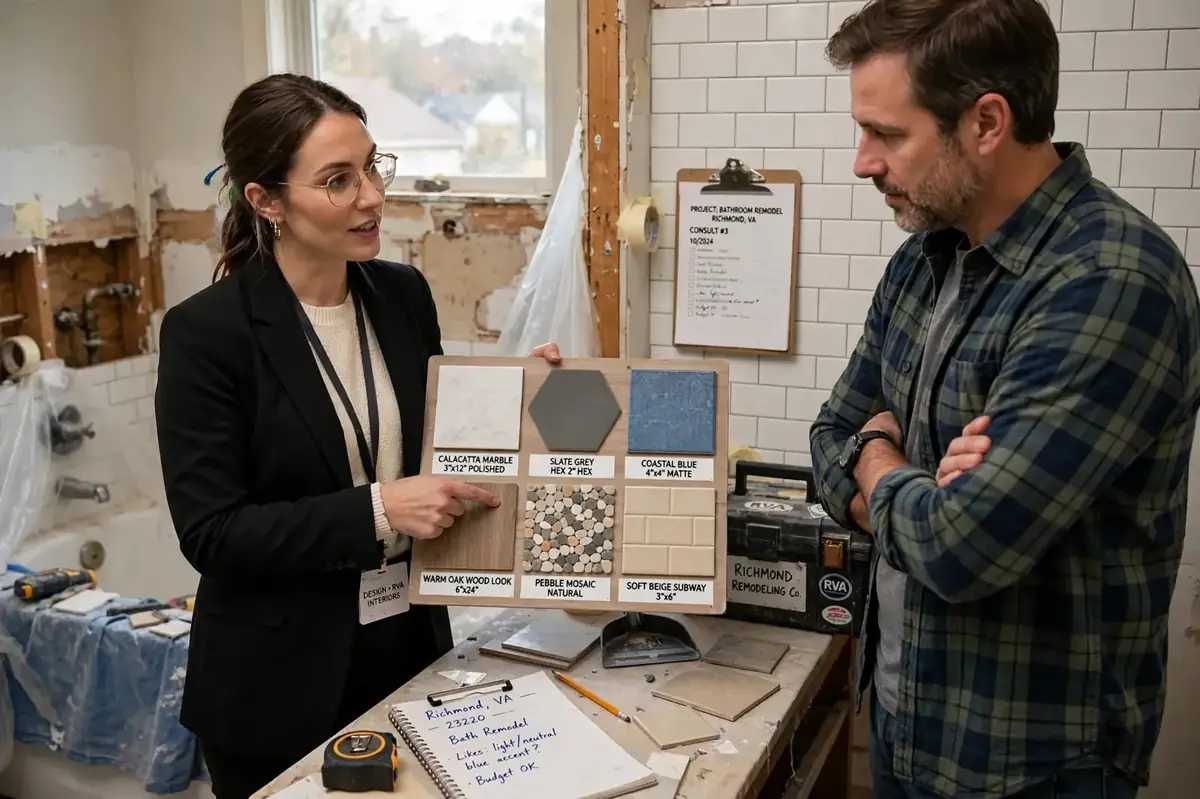
Tub-to-Shower Conversion Basics
A tub-to-shower conversion removes the bathtub and installs a shower in its place. The footprint stays the same. The drain usually stays close to its original spot.
A prefab shower is a factory-made unit with a base and wall panels. A tile shower gets built on site over a waterproofed base. A glass enclosure is the door or panels around the shower opening. Waterproofing is the membrane that keeps water out of the walls.
Conversion Types: What Are Your Options?
Prefab Shower Unit
A prefab unit arrives as a molded base plus wall panels. Install takes one to two days. The sealed seams resist leaks well.
Choices are limited to set sizes and colors. This suits rentals, quick updates, and tight budgets.
Tile Walk-In Shower
A tile shower gets built from scratch in your bathroom. The pan is sloped, waterproofed, then tiled. Walls get backer board, membrane, and tile.
Install takes a week or more. You pick any size, tile, and niche layout you want.
Low-Threshold and Curbless Showers
A low-threshold shower has a small curb you step over easily. A curbless shower has no curb at all and the floor slopes to the drain. Both help with aging in place.
Curbless designs need precise floor sloping. That adds labor and skill requirements.
| Conversion type | Install time | Look and feel |
|---|---|---|
| Prefab shower unit | 1 to 2 days | Clean, fixed sizes and colors |
| Tile walk-in shower | 1 week or more | Fully custom, any tile |
| Low-threshold shower | About a week | Easy step-in, tiled finish |
| Curbless shower | 1 to 2 weeks | Open floor, no curb |
Step-by-Step: How a Conversion Works
- Call and describe your tub. Share the tub size, the bathroom layout, and what you want instead.
- Get matched with a local provider. We connect you with an independent Richmond-area pro.
- In-home visit and measurements. The provider measures the alcove and checks the drain and water lines.
- Written quote with line items. You see the shower unit or tile work, glass, plumbing, and permits broken out.
- Pick prefab or tile. Choose your unit or tile, plus glass style and fixtures.
- Schedule the work. You agree on a start date. Most conversions need the bathroom for several days.
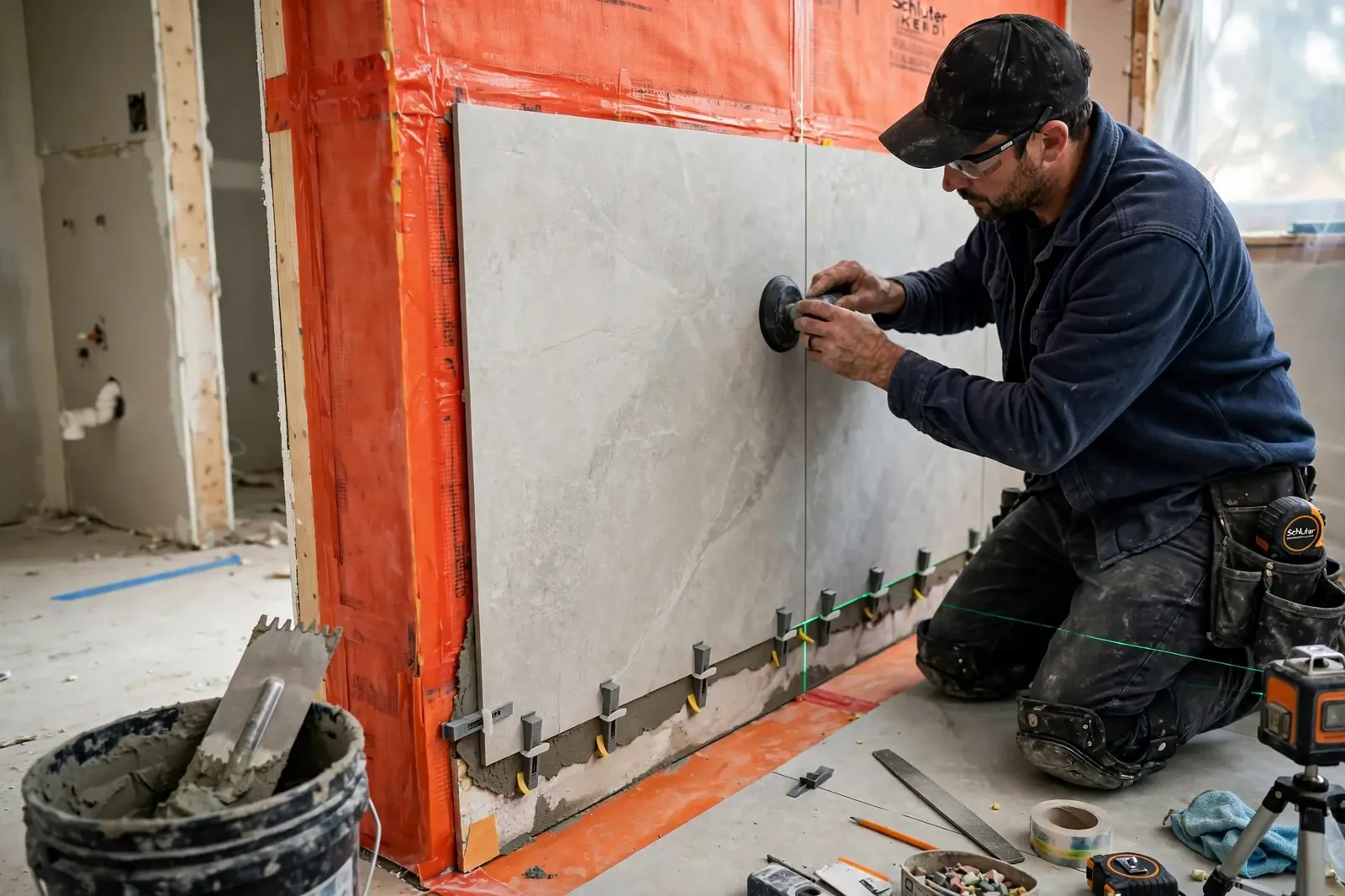
- Tub removal and rough-in. The old tub comes out. The drain and valves get adjusted.
- Waterproofing and walls. The base goes in with its membrane. Tile or panels go up.
- Glass, fixtures, and walkthrough. The door gets hung and fixtures get set. You test everything before sign-off.
Cost Ranges in Richmond
No single verified source publishes a Richmond-only price for tub-to-shower conversions. For context, a full Richmond bathroom remodel runs $3,007 to $14,633, per Manta's 2025 data. A conversion touches one zone, so it lands below a full rebuild.
Four factors decide your price. Prefab versus tile is the biggest one. Tile costs more in labor but gives a custom result.
Glass choice comes next. A curtain costs almost nothing. Frameless glass costs the most and looks the most open.
Drain and plumbing moves add labor and permits. Keeping the drain in place keeps the job simple.
Waterproofing quality is the last factor. A proper membrane costs little during construction. Skipping it costs a lot in repairs later.
For full-room numbers, see our bathroom remodel cost in Richmond guide.
The Richmond Angle
Many Fan District and Museum District homes have small hall baths with a tub-shower combo. Swapping the tub for a walk-in shower opens those tight rooms fast. The old cast iron drains in these homes may need attention during the swap.
Short Pump and Midlothian homes often convert a guest bath tub to a shower. The plumbing is newer there, so the rough-in goes quicker. Walk-in showers suit the larger footprints common in the suburbs.
Humidity shapes every shower choice here. Tile showers need full waterproofing behind every wall. An exhaust fan vented directly outdoors is required by code.
Permits follow the 2021 Virginia Residential Code. Moving the drain or shower valve needs a plumbing permit. Your provider should handle the paperwork.
Short on space? Our small bathroom remodel ideas cover layouts that make tight baths work harder.
Mistakes to Avoid When Choosing a Provider
- Keeping the old drain without checking the slope. Water must flow to the drain. Bad slope means standing water.
- Skipping the waterproofing membrane. Tile and grout are not waterproof. The membrane does the real work.
- Pricing frameless glass late. Glass can be a big line item. Price it before you fall in love with it.
- Forgetting blocking for grab bars. Wood blocking goes in before tile. Adding bars later is harder.
- Hiring without checking tile experience. A bad tile shower fails in years. A good one lasts decades.
- No written waterproofing detail. Ask what membrane system they use and get it in writing.
Our bathroom remodeling team in Richmond can explain your prefab and tile options on a free call.
When to Call a Professional
- Cracked tub or shower pan
- Water leaking into the ceiling or room below
- A drain that gurgles or backs up
- Soft subfloor around the tub edges
- No shutoff valves for the bathroom water lines
- Tile that sounds hollow or feels loose
These point to problems behind the walls. A pro can assess the damage and plan the fix.
FAQ
How long does a tub-to-shower conversion take?
A prefab conversion takes one to two days. A tile walk-in takes a week or more. Curbless designs take longest because the floor slope must be exact.
Can you convert a tub to a shower without moving plumbing?
Often yes. If the new shower drain can use the old tub drain location, the plumbing barely changes. Moving the drain adds labor, permits, and cost.
Is a shower or tub better for resale?
It depends on the home. Families with small kids want at least one tub. In a home with two full baths, converting one tub to a shower rarely hurts value.
Do I need a permit to convert a tub to a shower in Richmond?
You need a plumbing permit when the drain or valves move. A straight fixture swap with no pipe changes usually does not. Your provider should confirm with the city.
What is the cheapest tub-to-shower option?
A prefab unit with a curtain instead of glass doors. It installs fast and skips the tile labor. It will not look custom, but it works well for rentals and quick updates.
Should I add a bench or grab bars during the conversion?
Yes, if anyone in the home is older or has mobility needs. Blocking for grab bars must go in before tile. A bench is cheapest to add during construction, not after.
Conclusion
A tub-to-shower conversion trades an unused tub for a shower you will use daily. Prefab is fast and budget-friendly, while tile is custom and long-lasting.
Want a price for your bathroom? Call 804-555-3729 to get connected with an independent local pro. Call Now for a free referral.
Frequently Asked Questions
How much does a tub-to-shower conversion cost in Richmond?
Is a tub-to-shower conversion cheaper than a full bathroom remodel?
Should I choose a shower or a bathtub?
Does a tub-to-shower conversion need a permit in Richmond?

Marcus has spent 14 years in Richmond's home remodeling industry, advising homeowners on kitchen and bathroom projects from the Fan District to Short Pump. He reviews every guide on this site for accuracy.